

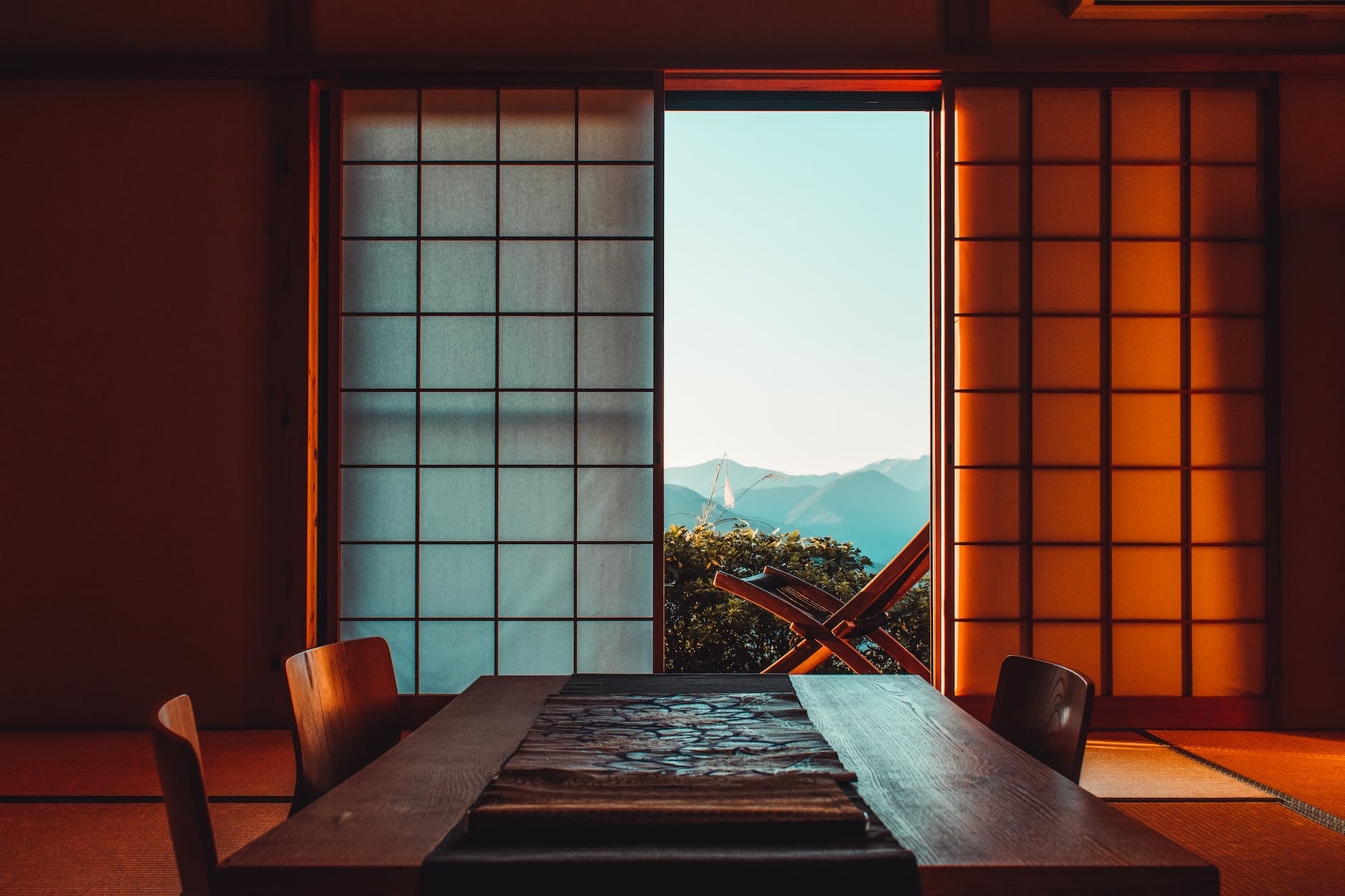
Dreaming of Japan and thinking about staying at a traditional ryokan? We definitely recommend it! It was one of our favorite and most memorable things we did our first time in Japan. Here is a detailed guide to ensure your experience is not just comfortable, but also culturally enriching.


What is a Ryokan?
A ryokan, also known as a traditional Japanese inn, is a unique and immersive experience. It’s like stepping into a whole different world! Ryokans are like a mixtape of history and modern coziness, all wrapped up in Japanese culture and hospitality. Picture a tranquil vibe, every little detail carefully thought out, and this genuine focus on making you feel the warm embrace of Japanese hospitality. Some key features that set ryokans apart from regular hotels include:
- Architectural Style: Ryokans have that classic Japanese feel with tatami mat flooring, sliding paper doors (fusuma), and low wooden tables. It’s like a scene from a serene Japanese landscape.
- Room Layout: When you walk into your room, it’s all about tatami-matted goodness. You get to chill on a comfy futon. Though it is common for more modern ryokans to have regular beds too.
- Culinary Experience: Now, the food – oh, it’s a highlight! It’s a kaiseki dinner (more on this later), a feast of multiple courses showcasing the best seasonal and regional ingredients. It’s not just a meal; it’s a delicious journey for your taste buds.
- Onsen Facilities: And guess what? There’s usually a communal hot spring bath, an onsen, where you can soak away your worries. Fueled by natural hot springs, it’s like a mini paradise for relaxation and rejuvenation. Some more luxury ryokans include private onsens too!
- Yukatas and Traditional Attire: Yukatas – a casual Japanese robe – are always offered to wear during your stay.
- Quiet and Serene Atmosphere: The whole place is like a sanctuary of peace. It’s hushed and calm, encouraging you to unwind and soak in the tranquility of the surroundings.
- Tea Service: And of course, there’s the tea. You might get to enjoy a traditional tea ceremony or have some in-room tea service. It’s like sipping tradition and culture, which is an essential part of the whole experience.


Reservations and Booking a Ryokan
Ready to secure your cozy spot in a ryokan? Booking in advance is the way to go, especially during peak seasons. We had to book very sought-out ryokans over 6 months in advance. We use Expedia or Booking.com, which both have great inventory of a variety of ryokans. If you are traveling to Japan during these periods, consider booking as early as possible for the most availability:
- Cherry Blossom Season: Late March to early April is when cherry blossoms bloom, attracting both domestic and international tourists.
- Golden Week: Golden Week typically spans late April to early May, consisting of multiple public holidays. It’s one of the busiest travel times in Japan, with many people taking advantage of the extended holiday period for vacations.
- Summer Vacation: The summer months of July and August see an increase in domestic travel due to school vacations and warmer weather.
- Obon Festival: Obon, a Buddhist event honoring ancestors, usually takes place in mid-August. Many Japanese people travel to their hometowns during this time, making transportation and popular destinations busier.
- Silver Week: Similar to Golden Week, Silver Week occurs in late September when multiple public holidays align.
- Autumn Foliage Season (Koyo): Late October to early December is when Japan experiences vibrant autumn his period attracts tourists seeking picturesque landscapes, especially in places like Kyoto and Nikko.
- New Year’s Holiday: The New Year’s holiday season, specifically from late December to early January, is a significant time for travel in Japan. Many people return to their hometowns, and popular tourist destinations can be crowded.
Where in Japan Should I Make Reservations for My Ryokan Stay?
Ryokans are scattered across Japan, adding a touch of traditional charm no matter where you choose to stay. You can even find them in Tokyo in areas like Shinjuku! We like to stay in a ryokan when we visit Kyoto and Osaka specifically, but we also would love to stay at one in a different part of Japan. Here’s a full list of where we’d stay:
- Hakone: If you’re into hot springs and breathtaking views of Mount Fuji, Hakone is your go-to destination near Tokyo. The ryokans here promise serene onsen experiences.
- Kyoto: Steeped in cultural richness, Kyoto is a haven for those seeking traditional Japanese surroundings. You’ll find numerous ryokans providing an immersive experience, which is why we typically choose Kyoto.
- Kinosaki Onsen: Picture a charming onsen town in Hyogo Prefecture with multiple public baths – that’s Kinosaki Onsen. Hop from one ryokan to another for a truly unique experience.
- Hakuba: If skiing and snowboarding in the Japanese Alps are on your list, Hakuba has ryokans catering to winter sports enthusiasts.
- Nara: Home to historic temples and friendly deer-filled parks, Nara combines cultural exploration with traditional hospitality in its ryokans.
- Kanazawa: Preserving Edo-period districts and enchanting gardens, Kanazawa’s ryokans complement the city’s historical ambiance.
Ryokan Etiquette and Cultural Norms
Let’s talk about the unspoken rules that make your ryokan stay smoother:
- Greeting: A gentle bow when you arrive and leave sets the right tone.
- Footwear: Kick off your shoes at the entrance and slip into the indoor slippers provided.
- Noise Level: Keep it hushed to create a serene environment.
- Room Entry: Wait for the friendly staff to guide you into your room.

General Onsen Etiquette
Onsens are one of our favorite parts of ryokans, but there are definitely some things to keep in mind. Get ready for a soak in the onsen with a few friendly tips:
- Showering: Wash up thoroughly before dipping into the hot springs.
- Towels: Keep a small towel for modesty, but remember to keep it out of the onsen.
- Tattoos: Check the onsen rules; some places might have restrictions.
Kaiseki Dinner Experience
Prepare your taste buds for Kaiseki Dinner, a culinary journey that’s not just a meal but a feast for the senses. Each course is a work of art, showcasing the best of seasonal flavors, textures, and presentation. We recommend participating at least once, for the full Japanese experience.

Dining Etiquette at a Ryokan
For when you’re enjoying the Kaiseki experience, or when you’re dining at your ryokan in general, here are a few important tips:
- Seating Arrangements: Find your spot on the tatami mat as per the arrangement.
- Chopstick Etiquette: No standing chopsticks in rice; it’s a cultural no-no.
- Expressing Appreciation: Before and after the meal, a simple “itadakimasu” and “gochisousama deshita” go a long way.
Check-Out Procedures at a Ryokan
As your ryokan stay comes to an end, navigating the check-out procedures is a breeze. It is always recommended to check out traditionally by going to the front desk – some older ryokans require it for proper payment and check out. It’s pretty straightforward, and adding a sincere thank you for the warm hospitality is a thoughtful touch. Feel free to share your feedback – it goes a long way in enhancing the ryokan’s friendly atmosphere and contributing to ongoing improvements.
Top Rated Ryokans to Explore for your Next Trip:
- Nazuna Kyoto Tsubaki St.
- Kyoto Umekoji Kadensho – This is the ryokan featured in this blog 🙂
- Onyado Nono Kyotoshichijo Natural Hot Springs
- Hakone Kowakien TEN-YU
- Hakone Airu
Affiliate Disclosure: Some of the links on this blog are affiliate links, meaning that if you click on the link and make a purchase, we may receive a commission. This commission is at no additional cost to you. We only recommend products that we have personally used and loved, and we only use affiliate links for products that we believe will be helpful to our readers!
