

Japan has become one of the most popular travel destinations as of late, and as travelers, it’s our responsibility to respect their customs to ensure a harmonious experience for both ourselves and the locals. Our first trip to Japan was in 2017, and we wish we did more research to ensure we weren’t looked at as “those” foreigners. Since then, we’ve observed and learned a lot on things you should and should not do.
Here are some essential things to avoid when visiting Japan:
1. Eating While Walking
In Japan, it’s considered impolite to eat or drink while walking. Now this can change depending on what area in Japan you’re visiting, but overall you should try to avoid eating and walking. Sometimes you’ll see a local or businessman chugging coffee or a Yakult on their way to work.
This practice is discouraged to maintain cleanliness and order in public spaces. Instead, find a designated eating area or bench to enjoy your food. Usually there’s an area around a food stand to eat for this exact purpose.
2. Speaking Loudly in Public
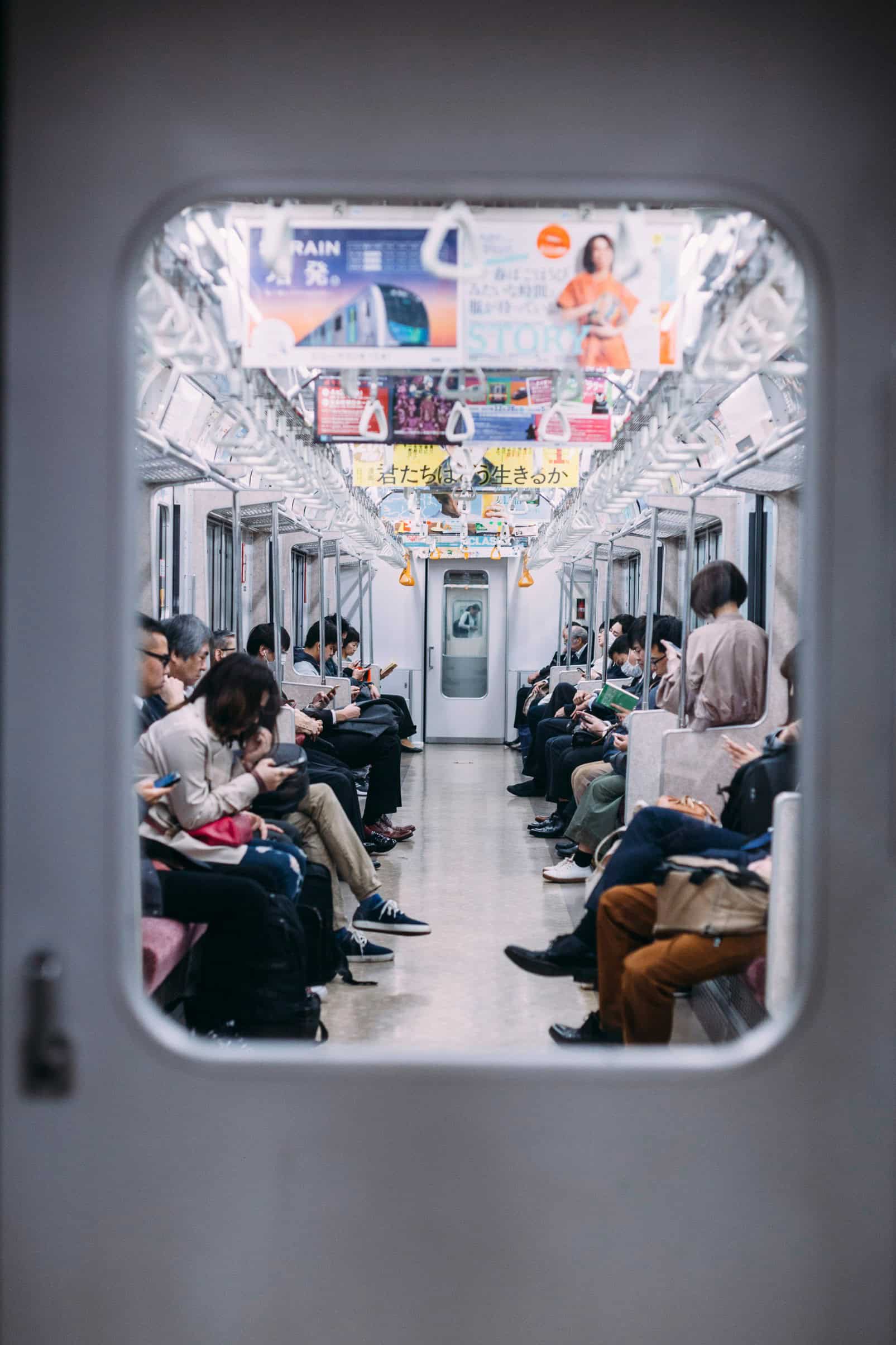
This is the first thing we notice when we’re visiting Japan if someone is a tourist. Japanese culture values quietness in public spaces. Speaking loudly, especially on public transportation or in restaurants, is frowned upon (unless it’s like a bar… then this is a little different.) Maintain a lower volume (esp. on the train!) to show respect for those around you.
3. Improper Chopstick Etiquette
This isn’t something we really noticed at first, but it’s important (especially if you’re at a nicer restaurant) to have proper chopstick etiquette. Now, we aren’t really talking about how to hold them but where you’re putting them if they aren’t in your hands. Avoid sticking them upright into a bowl of rice, as this resembles a funeral ritual. Also, don’t pass food directly from one set of chopsticks to another, as this mimics a cremation ceremony.
4. Wearing Shoes Indoors
This is something we’re used to because we grew up not wearing shoes around the house, but for some it’s a brand new concept! It’s customary to remove your shoes before entering someone’s home, certain traditional accommodations, and some restaurants. Look for a designated area to leave your shoes and use the provided indoor slippers.
5. Entering Onsen Without Washing
If you’re staying at a ryokan, hotel, or resort with an onsen, you MUST wash yourself before you go in. Similar to how some public pools in the US ask you to, but before entering a public bath (onsen), it’s essential to thoroughly wash and rinse your body. This practice ensures cleanliness and is a sign of respect for other bathers.
6. Tipping
Unlike in many Western countries (like America), tipping is not customary in Japan and can even be considered rude. Excellent service is standard, and staff take pride in their work without expecting additional compensation. Don’t tip! If you want to express gratitude for their service, we’ve found saying things like “the food is tasty” goes a long way. In Japanese, of course.
7. Taking Photos Without Permission
This one is hard to follow because if you’re visiting a heavy tourist site and everyone is taking photos, why can’t you? Always ask for permission before taking photos of people, especially in traditional areas like geisha districts. Some establishments and cultural sites also prohibit photography, so look for signs or ask staff.
8. Blocking Pathways
In busy areas like train stations or sidewalks (especially in Tokyo), avoid stopping in the middle of the path. If you need to check your phone or map, step to the side to keep foot traffic flowing smoothly. There are always people walking in various directions, so just make sure you’re out of the way if you need to stop.
9. Smoking in Non-Designated Areas
Smoking is only permitted in designated areas in Japan. A lot of the time, hotels will have specific rooms for this or train stations will have little areas outside dedicated for it. Smoking in prohibited areas can result in fines and is considered disrespectful to others.
10. Public Displays of Affection
While holding hands is generally acceptable, more intimate displays of affection, like kissing or hugging, are uncommon in public and can make others uncomfortable. Whether showing PDA is your thing or not, it’s best to be discreet with affection in public spaces.
By being mindful of these cultural norms, you’ll show respect for Japanese traditions and enhance your travel experience for yourself and the others around you. Embracing local customs not only enriches your journey but also fosters positive interactions with the communities you visit!
Now you can focus on other important stuff, like how to plan a trip to Japan, what to know before going to Japan, and what to pack for Japan. Happy travels!
