

Disclaimer: We are not medical professionals. This post is based on our personal experiences and is meant for informational purposes only. It is not a substitute for professional medical advice, diagnosis, or treatment. If you are experiencing a medical emergency, please seek professional care immediately.
Let’s be honest: getting sick while traveling is one of those things you never actually plan for. You spend weeks researching flights, hotels, and the best ramen spots, but “what happens if I feel terrible on day two” rarely makes the itinerary.
We’ve been there. Twice. Both times in Asia. And both times, we figured it out. Here’s everything we learned so you don’t have to panic the way we did.
1. Don’t panic! This happens more than you think
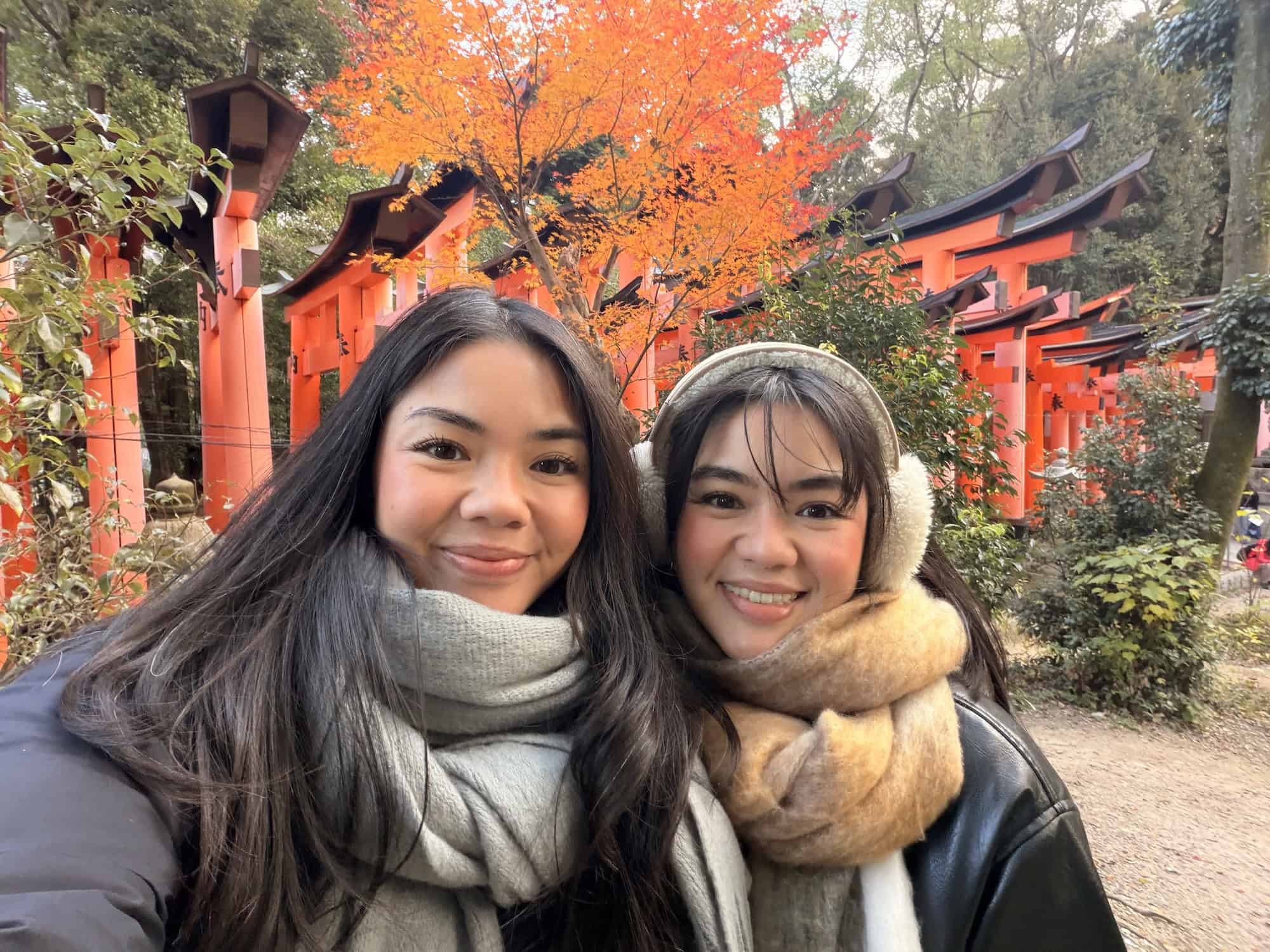
The combination of long flights, recycled airplane air, disrupted sleep, new foods, and a total climate change is basically a recipe for your immune system to tap out. In October 2024, we landed in Tokyo during an unusually warm fall. Chicago had already gone full sweater weather, so the temperature whiplash hit hard — and by day two, Kassy had a low fever and a cold that was very much trying to derail the trip before it even started.
It happens. It doesn’t mean your trip is over. It means you pause, take care of yourself, and adjust.
2. Head to a pharmacy first for mild illness
For colds, low fevers, or stomach issues, a local pharmacy is your first stop. And honestly? Pharmacies in Japan and across Southeast Asia are incredibly well-stocked. The problem is standing in one with a fever trying to decode labels when you have no idea what you’re looking at.
When Kassy got sick in Tokyo, we Googled cold medicine recommendations and still felt overwhelmed by the shelves. So we did the thing that felt a little awkward but worked perfectly: we asked a worker for help. Some pointing, some phone translation, a lot of nodding, and they walked us right to what we needed.
For colds and low fevers in Japan, look for:
- Pabron or Lulu cold medicine (widely available and effective)
- Vitamin C supplements (conveniently packaged, easy to find near the register)
- Pocari Sweat or the lychee electrolyte drink for hydration (these are at every convenience store and pharmacy, and they genuinely help)
- Cough drops, which the pharmacist recommended for Kassy and made a real difference
A couple of days of medicine and rest, mask on in public, and she was well enough to enjoy the rest of Tokyo and fully recovered by the time we got to Kyoto. The trip was not ruined!
Tips for navigating a foreign pharmacy:
- Save brand name recommendations before you go (“cold medicine Japan,” “stomach medicine Vietnam,” etc.)
- Use Google Translate’s camera feature to read labels on the spot
- Just ask a worker! Point at your throat, your head, your stomach. Pharmacists in tourist-heavy areas are used to this and genuinely want to help
3. Contact your hotel — they are more helpful than you expect
This is the one we want to emphasize most, because it genuinely surprised us.
When Kassy got food poisoning in Da Nang, Vietnam, we were supposed to be on a day trip to a smaller town about an hour away. She thought she was just nauseous from the winding cab ride (Vietnamese streets are chaotic in the best way, but not great for motion sickness). By the time we realized it was something more serious, we were already pulled over on the side of a road. A group of older local women set up at a nearby food stall waved us over, sat Kassy down, and brought her water without us even asking. No shared language, just kindness. We think about them a lot.
Once we finally made it back to Da Nang, we called the hotel. They brought medicine to the room and offered to arrange for a doctor to come to us, no hassle. Knowing that option existed was incredibly reassuring even though we didn’t end up needing it.
Hotels, especially in Asia, have seen it all. If you are too sick to figure out next steps, call the front desk. They can:
- Bring medicine or electrolytes to your room
- Recommend a nearby clinic or help arrange a doctor visit
- Help you communicate with medical staff if there is a language barrier
- Adjust your checkout if you need an extra day to recover
4. Know when to actually see a doctor
Most travel illness is miserable but manageable. That said, some signs mean you should seek real medical care:
- Fever above 103F / 39.4C that won’t come down
- Symptoms getting worse after 48 hours, not better
- Severe dehydration or not keeping liquids down for more than 12 hours
- Anything that feels serious: chest pain, difficulty breathing, severe abdominal pain
In most cities and tourist areas across Asia, English-speaking clinics exist and are accessible. Your hotel can point you to the nearest one, or search “[city] English-speaking clinic” before you leave.
5. Pack a small travel medical kit
After our Japan trip, we started packing a small pouch of basics so we are never scrambling on day two of a trip again. Here’s what we keep in ours:
- Pain reliever and fever reducer (Tylenol or ibuprofen)
- Antidiarrheal (Imodium)
- Antinausea (Dramamine or Pepto chewables)
- Electrolyte packets (Liquid IV or similar)
- Cold medicine (DayQuil/NyQuil packets)
- Bandages and antiseptic wipes
- Any prescription medications with a little extra supply
Most of this fits in a small zippered pouch and weighs almost nothing. Just pack it.
6. Get travel insurance
Not the most exciting topic, but food poisoning in Vietnam and a fever in Tokyo will remind you pretty quickly that things happen. We personally use the Chase Sapphire Reserve, which includes some built-in travel insurance for things like trip interruption and emergency evacuation coverage. It is not a full comprehensive medical policy, but it is a solid starting point and worth knowing about if you already have the card.
That said, check with your own credit card provider first to understand exactly what is and is not covered. And if you tend to be more prone to health issues while traveling, it is worth looking into a dedicated travel insurance policy that covers emergency medical care more thoroughly. A little research before the trip is a lot better than figuring it out when you are already sick.
7. Wear a mask in public if you’re contagious
This is completely normalized across Japan and much of Asia and honestly, it’s just a considerate thing to do. Kassy masked up throughout her first few days in Tokyo and it felt like the right call. Grab a pack of disposable masks before your trip. They are cheap, lightweight, and worth having.
A few destination-specific notes
Japan: Pharmacies are everywhere in cities and very well-stocked. Staff are patient with tourists. For hydration, grab Pocari Sweat or the lychee electrolyte drink at any convenience store — they are everywhere and genuinely good. Your hotel concierge can also help direct you to a clinic if needed.
Vietnam: Hotel staff tend to be exceptionally accommodating. In Da Nang, Ho Chi Minh City, and Hanoi, international clinics are accessible. Stick to bottled water, and be mindful with street food if your stomach has been sensitive. It is absolutely worth eating, but pace yourself, especially early in the trip.
The takeaway
Getting sick abroad is not the end of your trip. Kassy was sick on day two in Tokyo and still made it to Kyoto feeling great. She was throwing up on the side of a road in Vietnam and still finished the trip. It feels awful in the moment, but with a little resourcefulness and a willingness to ask for help, you get through it.
Pack your kit, save your hotel’s number, and know that if something goes sideways, kind people are everywhere. We have the older women in Da Nang to prove it.
Happy (and healthy) travels! ✈️
Have you ever gotten sick while traveling? Tell us how you handled it in the comments — we would love to hear your stories.
